
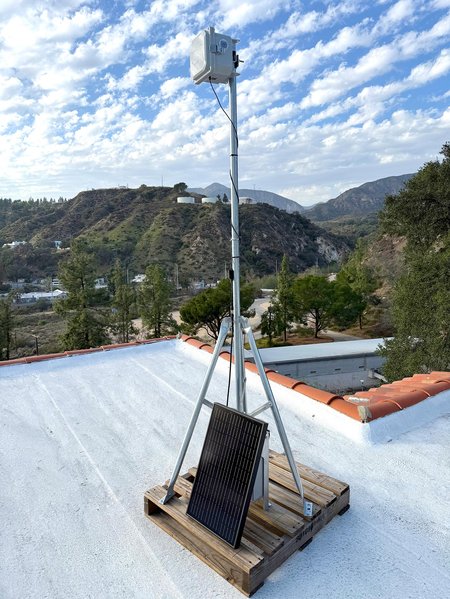
After wildfires occur, many communities face ongoing environmental risks that are difficult to measure and determine. One of these risks is air quality which may remain dangerous for a long time after the fire. In order to be able to better understand and monitor these risks, researchers at the California Institute of Technology created the Phoenix Air Monitoring Project. This project is based in Altadena, California and aims to improve air monitoring systems.
Who is working on the project?
The Phoenix Air Monitoring Project is led by a team of scientists and engineers at the California Institute of Technology. However, credit also goes to the local residents and partners located in Altadena. By combining different skillsets and viewpoints, scientific skills and community needs can be addressed as well as implemented into the project.
What is the Phoenix Air Monitoring Project?
The main goal of the Phoenix Air Monitoring Project is to create a dense field of cheap air quality sensors in areas that experience many wildfires or are prone to starting them. This will occur through tracking pollutants such as harmful chemicals that may remain in the environment after wildfires. Through distributing many sensors instead of a few large stations, the project will provide more detailed air quality data.
How does the project work?
The project uses compact, affordable air sensors that can be installed on homes, schools or other buildings in the community. These devices will always collect data on air pollution levels and send it to locations where researchers can analyze the information. Through creating a dense network of sensors, scientists can identify pollution in specific areas and track how air quality changes over time. This real-time data allows for quicker responses to dangerous conditions and helps residents make better decisions on health and safety. Lastly, community members play a direct role in the project because they know more about the locations and make a big difference.
Caltech’s Impact
The Phoenix Air Monitoring Project shows how California Institute of Technology is advancing environmental research through innovation and community involvement. By developing cheap monitoring systems, the project sets a model for other fire-prone regions facing similar challenges. This process could revolutionize how air quality is measured after natural disasters and lead to better public health outcomes.
Aarush Vajha