
Researchers at Carnegie Mellon University are leading a new artificial intelligence project that could transform how the United States discovers critical minerals needed for advanced technologies, clean energy, aerospace, and national defense.
The project, called GEM-AI (Geologic Exploration with Multimodal AI), recently received Phase I funding from the U.S. Department of Energy’s Genesis Mission. Led by Artur Dubrawski, Alumni Research Professor of Computer Science in CMU’s Robotics Institute, the initiative brings together researchers from Carnegie Mellon, Sandia National Laboratories, Colorado School of Mines, and the Pittsburgh Supercomputing Center.
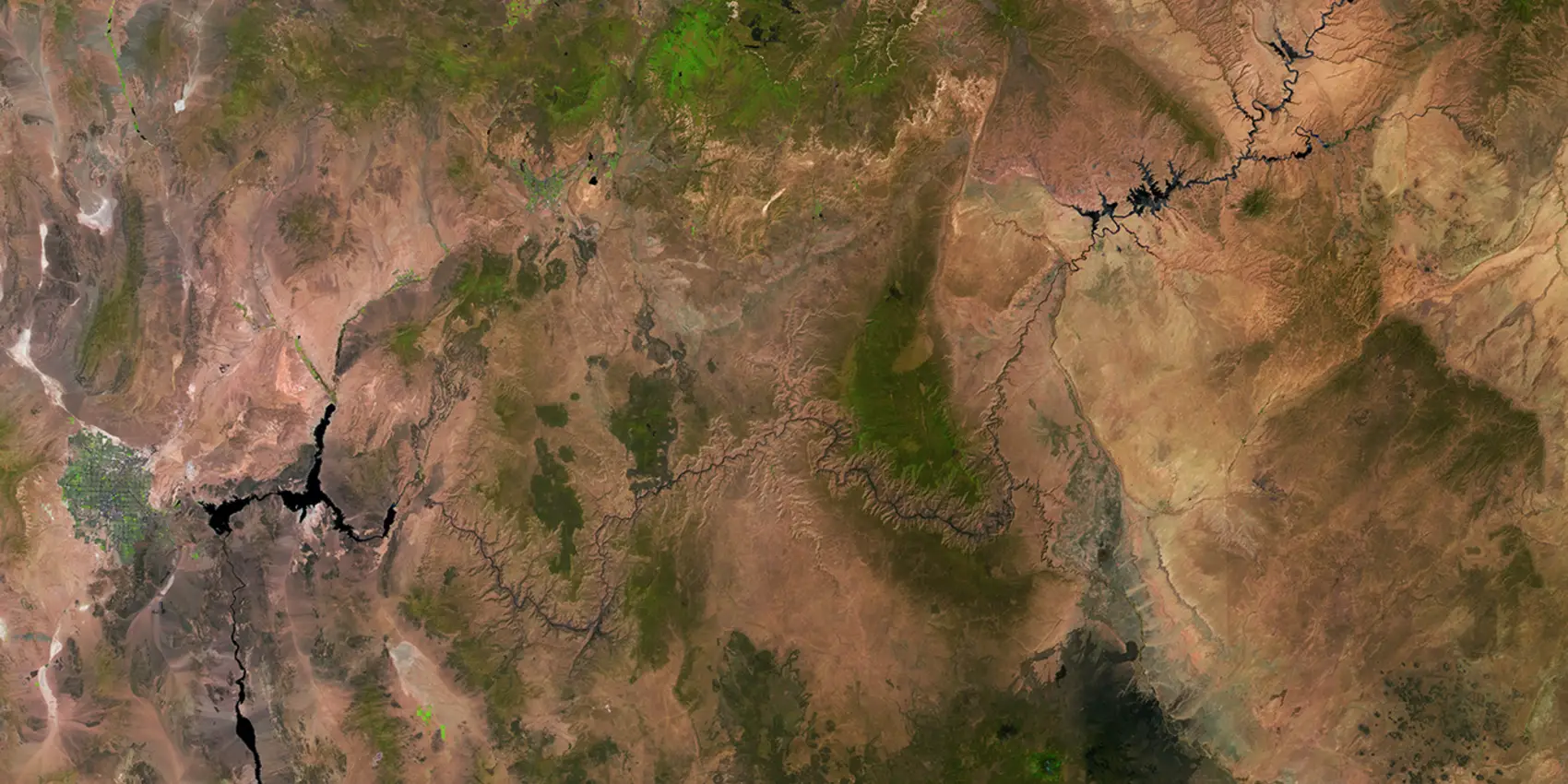
Instead of relying solely on traditional geological surveys, GEM-AI will analyze a wide range of scientific data, including satellite imagery, aerial photographs, sensor readings, geological samples, and microbial DNA. By combining these data sources, the AI system will identify patterns that may indicate underground mineral deposits, helping researchers locate valuable resources more quickly and at a lower cost.
The project will also evaluate biological indicators, such as soil microorganisms that thrive near certain mineral deposits. Researchers believe these microbial communities could provide new clues about the presence of valuable minerals hidden beneath the surface.
“Our goal is very patriotic,” Dubrawski said. “We want to empower the United States to be as strong as possible when it comes to mineral independence.”
During its first phase, the research team will focus on the Pacific Northwest and Arizona’s copper belt using existing datasets from the Department of Energy and other research organizations. The framework is designed to expand over time by incorporating additional datasets and scientific models.
Beyond mineral exploration, GEM-AI demonstrates how advances in artificial intelligence can accelerate scientific discovery across multiple disciplines. Dubrawski’s Auton Lab has previously applied AI to public health monitoring, military equipment maintenance, human trafficking detection, and radiological threat identification.
If successful, GEM-AI could reduce the time and expense required to discover critical mineral resources while strengthening domestic supply chains and advancing AI-driven scientific research.
Vraj Parikh