
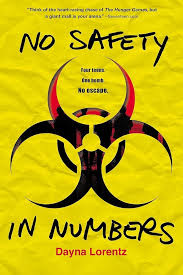
No Safety in Numbers is a thriller that mixes tech, survival, and psychological pressure into a fast-moving story about what happens when systems meant to protect people completely fail. Instead of focusing on detailed technical explanations, the book leans into tension, fear, and the idea that modern technology can be both helpful and dangerous when it breaks down.
A High-Tech Setting That Actually Feels Real
The story builds around a world where large systems and networks control key parts of daily life, and people rely heavily on them without questioning what could go wrong. The engineering and tech elements are not overly technical, but they are realistic enough to feel grounded. The book uses this setup to show how dependent people have become on digital systems, especially when everything starts collapsing.
Survival Through Systems Failure
The main tension comes from how quickly order breaks down once the system stops working as expected. Instead of focusing on the “how” in a technical sense, the book focuses on the human reaction. Characters are forced to make fast decisions when the technology they trust stops being reliable.
This is where the engineering theme comes through indirectly. It’s not about building systems, but about what happens when those systems fail under pressure. That angle makes the story more about consequences than design.
Characters Under Pressure
The characters aren’t portrayed as engineers or experts in a traditional sense. Instead, they are regular people trying to adapt to situations they don’t fully understand. That choice makes the story more accessible but also less technical. The focus stays on emotion, trust, and panic rather than problem-solving at a systems level.
What Works Well
The book does a strong job building tension. The pacing keeps things moving, and the idea of depending too much on systems that can fail is always in the background. It also makes you think about how fragile “normal life” can be when technology stops working properly.
What Doesn’t Work as Well
If you’re expecting detailed engineering or deep explanations of how the systems work, this book doesn’t really go there. Some parts also rely more on drama than logic, which can feel a bit unrealistic if you look too closely at the tech side.
Final Verdict
No Safety in Numbers works best as a tech-themed survival thriller rather than an engineering-focused story. It uses technology as the backdrop, not the focus, and builds its tension around what people do when that technology fails.
If you want something fast, tense, and loosely tied to modern systems and engineering ideas, it’s an engaging read.
Vraj Parikh